

"Fluctuating Copper Prices and Tight Supply Squeeze Secondary Copper Industry, Pressuring Upstream and Downstream"
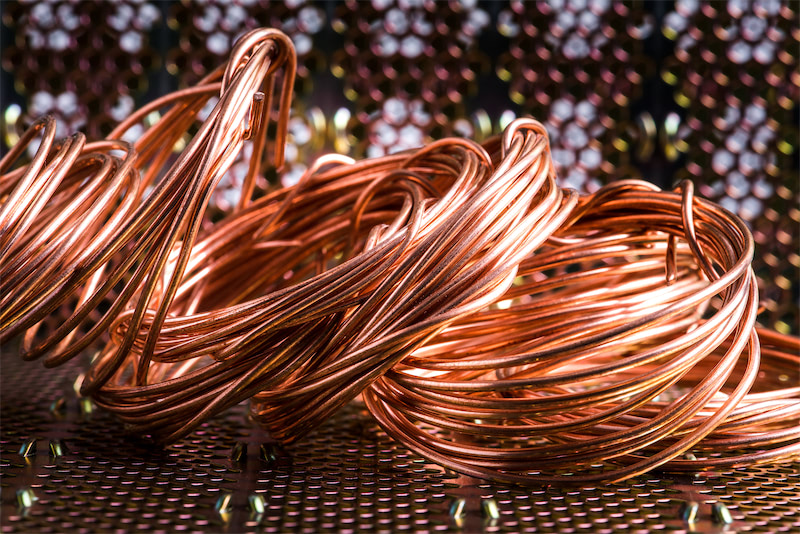
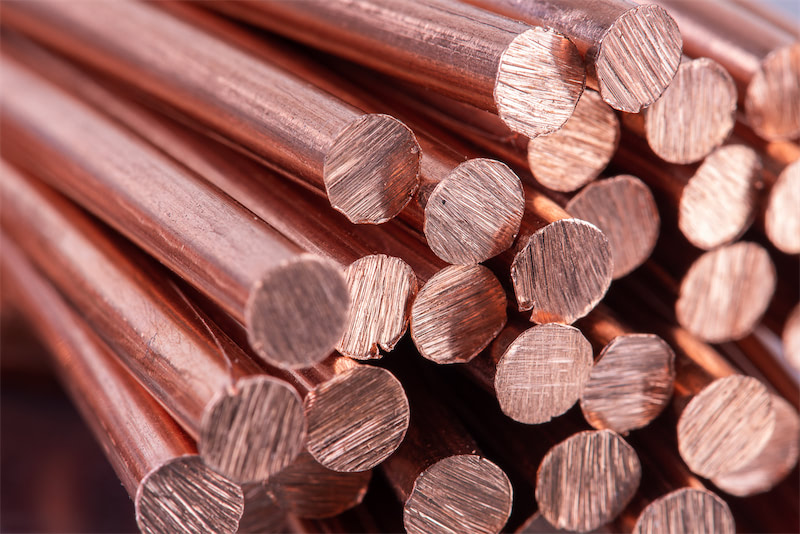
This week, against the backdrop of fluctuating upward copper prices, the secondary copper industry chain showed a complex situation in which extremely tight upstream raw material supply coexisted with persistent negative margins for downstream finished products. In the secondary copper rod market, SMM data showed that the operating rate fell further to 5.45% this week, down 0.38 percentage points MoM and 25.43 percentage points YoY
Data Source Statement: Except for publicly available information, all other data are processed by SMM based on publicly available information, market communication, and relying on SMM‘s internal database model. They are for reference only and do not constitute decision-making recommendations.
For any inquiries or to learn more information, please contact: lemonzhao@smm.cn
For more information on how to access our research reports, please contact:service.en@smm.cn
Related News
8 hours ago
Shaanxi-Henan UHV DC Project, Final in "Three Exchanges Nine Direct," to Be Completed by 2028
Read More
Shaanxi-Henan UHV DC Project, Final in "Three Exchanges Nine Direct," to Be Completed by 2028
On March 31, the National Grid announced that the Shaanxi-Henan ± 800 kV UHV DC project, the final project of the "three exchanges and nine direct" projects in the National "14th Five-Year" plan, with a total investment of 19 billion yuan.It starts in Yulin, Shaanxi, and ends in Kaifeng, Henan, passing through Shaanxi, Shanxi, and Henan provinces. The total length of the line is 728 kilometers, the transmission capacity is 8 million kilowatts, and it is planned to be completed and put into operation in 2028.
8 hours ago
8 hours ago
National Grid's Panxi UHV AC Project, a $23.2B Investment, to Span 994km and Complete by 2028
Read More
National Grid's Panxi UHV AC Project, a $23.2B Investment, to Span 994km and Complete by 2028
On March 31, the National Grid announced that the Panxi UHV AC project, the first UHV AC project to start construction during the "14th Five-Year Plan" of the National Grid, has a total investment of about 23.2 billion yuan. The project will pass through 12 counties (districts) in Liangshan, Yibin, and Leshan, build two 1000 kV substations in Panxi and Chuannan, and expand Tianfu South Station. The total length of the line is 994 kilometers, and it is expected to be completed and put into operation in 2028.
8 hours ago
Apr 3, 2026 19:10
Chile's Water Crisis Threatens Atacama's Copper and Lithium Mining Amid 14-Year Drought
Read More
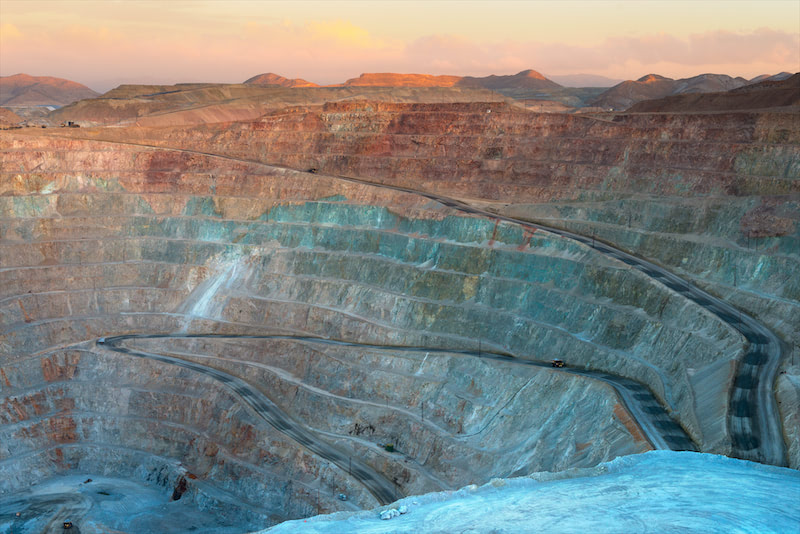
Chile's Water Crisis Threatens Atacama's Copper and Lithium Mining Amid 14-Year Drought
Chile’s most pressing crisis at present is the issue of water resources. The Atacama Desert in Chile is one of the driest regions in the world and also the core area for copper and lithium ore extraction. The local area has experienced a drought for as long as 14 years, and reservoir storage has fallen to only about 30%. For miners, water resources are not a secondary issue, but an indispensable key production factor in such processes as ore processing, dust suppression, and equipment cooling. The decline in ore grade has further exacerbated the predicament
Apr 3, 2026 19:10
Related News
Shaanxi-Henan UHV DC Project, Final in "Three Exchanges Nine Direct," to Be Completed by 2028
Apr 05, 2026 21:05
National Grid's Panxi UHV AC Project, a $23.2B Investment, to Span 994km and Complete by 2028
Apr 05, 2026 21:05
Chile's Water Crisis Threatens Atacama's Copper and Lithium Mining Amid 14-Year Drought
Apr 03, 2026 19:10

Trump Adjusts Metal Tariffs, Applies 50% Rate to Consumer Prices Under Section 232, Details Unclear
Apr 03, 2026 19:09